
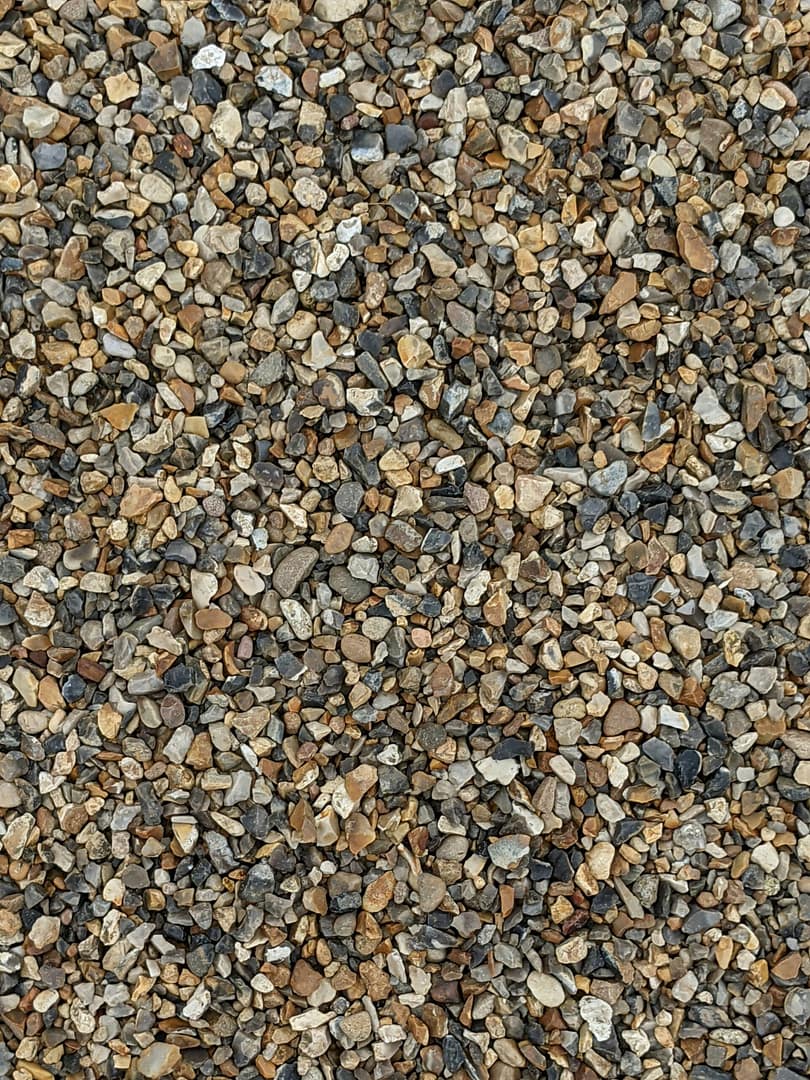
Introduction to Gravel Driveways
Gravel driveways are a popular choice among homeowners in Birmingham, offering an attractive, versatile, and cost-effective solution for their properties. Characterised by their rugged texture and variety of available colours, gravel driveways blend seamlessly with different architectural styles, from traditional to contemporary. This type of driveway is composed of loose stones, typically quarried locally, providing a natural aesthetic that complements the lush, green landscapes of the region.
One of the primary benefits of opting for a gravel driveway is its permeability. Gravel allows for excellent drainage, reducing the risk of standing water and the potential for flooding during Birmingham’s rainy seasons. This feature not only makes gravel driveways practical but also contributes to their durability over time, providing a sound long-term investment for homeowners.
Furthermore, gravel is remarkably flexible under various weather conditions. Unlike asphalt or concrete, which can crack with the freeze-thaw cycles, gravel remains intact, adjusting to shifts in the ground beneath it. This resilience makes it an ideal choice for Birmingham’s variable climate, which can see a range of weather conditions throughout the year.
Comparing Costs: Gravel vs. Paved Driveways
When it comes to cost-effectiveness, gravel driveways typically have a lower initial outlay compared to their paved counterparts. The cost of materials and installation for a gravel driveway is considerably less than that for materials like concrete or asphalt. This makes it an attractive option for homeowners looking to enhance their property’s exterior without a significant financial burden.
In addition to lower initial costs, gravel driveways can also be more economical over time. They generally require less intensive maintenance and fewer repairs than paved driveways. While paved surfaces might need periodic resurfacing or sealing, gravel can be replenished or regraded at a minimal cost, ensuring it looks fresh and well-maintained with relatively little expense.
However, it’s important to consider that gravel might need more frequent topping up than paved driveways, which can add to the long-term costs. Despite this, the overall expense spread over the years alongside the aesthetic and practical benefits makes gravel an excellent value-for-money option for many homeowners in Birmingham.
Enhancing Curb Appeal with Gravel
A gravel driveway can significantly enhance the curb appeal of a property. The natural look of stone and its availability in various hues—from stark whites and soft greys to rich browns—provides homeowners with the flexibility to complement or contrast their home’s exterior palette. This customisation allows for a unique aesthetic that can set a property apart in any Birmingham neighbourhood.
Beyond colour choices, the texture of gravel also adds a dimensional quality to a property’s entrance. The crunch underfoot and the rustic charm invoke a warm, welcoming feel, often associated with countryside residences but increasingly appreciated in urban settings. This sensory and aesthetic appeal can make a substantial difference in the first impression a home makes.
Moreover, a well-maintained gravel driveway can increase a property’s market value. Potential buyers often perceive gravel as a premium upgrade that indicates a well-cared-for property. This perception can translate into a competitive advantage in Birmingham’s bustling real estate market, potentially speeding up the sale process and improving return on investment.
Installation Process of Gravel Driveways
The installation of a gravel driveway in Birmingham involves several key steps to ensure its longevity and functionality. Initially, the site must be cleared and excavated. It is crucial to remove any vegetation and to level the ground, creating a stable base layer. Proper grading is also essential for effective drainage.
Following the preparation of the base, a weed barrier fabric is often laid down to prevent the growth of unwanted plants. This is covered with a layer of hardcore, which is then compacted to form a solid foundation for the gravel. This foundational work is crucial as it prevents the driveway from becoming rutted and uneven over time.
Finally, the chosen gravel is spread evenly over the compacted base to the desired thickness, usually around 40-50mm. It’s important that the gravel layer is sufficient to provide a stable surface that can withstand regular traffic while also allowing for effective drainage. Once laid, the gravel may need to be raked periodically to maintain an even surface and to ensure the driveway remains visually appealing and functional.
Longevity and Maintenance Insights
Gravel driveways, when installed correctly and maintained regularly, can last many years without the need for significant repairs. The key to longevity is the quality of the installation, particularly the preparation of the base. A well-prepared base will prevent significant shifting or sinking of the gravel, reducing the need for frequent replenishment.
Maintenance for gravel driveways is relatively straightforward but essential. It typically involves periodic raking to even out the surface and topping up the gravel as needed to compensate for displacement caused by vehicles or weather conditions. Additionally, it’s advisable to check and clear any debris from the drainage pathways to prevent water accumulation, which could undermine the driveway’s structure.
While gravel driveways do require regular maintenance, these tasks are generally less labour-intensive and costly compared to the upkeep required for paved driveways. This ease of maintenance, coupled with gravel’s natural ability to adapt to ground movements and weather changes, contributes significantly to its longevity and continued appeal among Birmingham homeowners.
Eco-Friendly Aspects of Gravel Driveways
Gravel driveways are considered more environmentally friendly than their impermeable paved counterparts. The permeable nature of gravel allows rainwater to naturally seep into the ground, replenishing local water tables and reducing runoff, which can carry pollutants to local waterways. This aspect is particularly beneficial in urban areas like Birmingham, where managing stormwater sustainably is crucial.
Moreover, gravel can be sourced locally, reducing the environmental impact associated with transportation. Many suppliers in the Birmingham area provide regionally quarried gravel, which supports local businesses and minimises the carbon footprint associated with longer transport routes. This local sourcing not only benefits the environment but also ensures that the materials blend naturally with the local landscape.
Additionally, the installation and maintenance of gravel driveways require less energy and fewer chemical treatments compared to asphalt or concrete driveways. There’s no need for regular sealing or intensive chemical de-icers, which can be harmful to the environment. Instead, simple mechanical methods are sufficient to maintain a gravel driveway, further reducing its ecological impact.
Choosing the Right Gravel for Your Home
Selecting the appropriate type of gravel for your driveway in Birmingham is crucial for both aesthetics and functionality. The most common types used are pea gravel, crushed stone, and quarry process stone. Pea gravel is small, smooth, and rounded, often preferred for its walking comfort and aesthetic appeal. Crushed stone, with its sharper edges, provides better traction and is typically used for driveways that need to support heavier vehicles.
Colour is another important consideration. Neutral colours like grey and tan blend well with most landscapes and architectural styles, while bolder hues like red or blue can be used to make a vibrant statement or complement the exterior colours of your home. It’s important to see samples in person, as the appearance of gravel can vary significantly under different lighting conditions.
Finally, the size of the gravel also affects both its appearance and its practical aspects. Smaller stones are less likely to shift underfoot or tyre, while larger pieces can offer a more rustic look but might require more maintenance to keep smooth and even. Balancing these factors will help ensure that the gravel driveway not only enhances the appearance of your home but also meets your practical needs.
Local Birmingham Suppliers of Gravel
Birmingham boasts a variety of local suppliers offering a wide range of gravel types suited to every homeowner’s needs. These local businesses often source their materials from nearby quarries, ensuring that the gravel is ideally suited to the local climate and soil conditions. Supporting these suppliers not only contributes to the local economy but also ensures that you receive expert advice tailored to Birmingham’s specific environmental conditions.
Popular suppliers include Birmingham Aggregates, which has built a reputation for quality and reliability. They offer a broad selection of gravel in various sizes and colours, providing flexibility in design and application. Their expert staff can also provide valuable guidance on the amount of gravel required and the best type for your specific driveway needs.
Another notable supplier is Midlands Landscaping Supplies, known for their eco-friendly options and competitive pricing. They offer bespoke solutions and can help you calculate the necessary materials, taking into account both aesthetic preferences and functional requirements. Their commitment to customer satisfaction and environmental stewardship makes them a preferred choice for many Birmingham residents looking to install or refurbish a gravel driveway.


